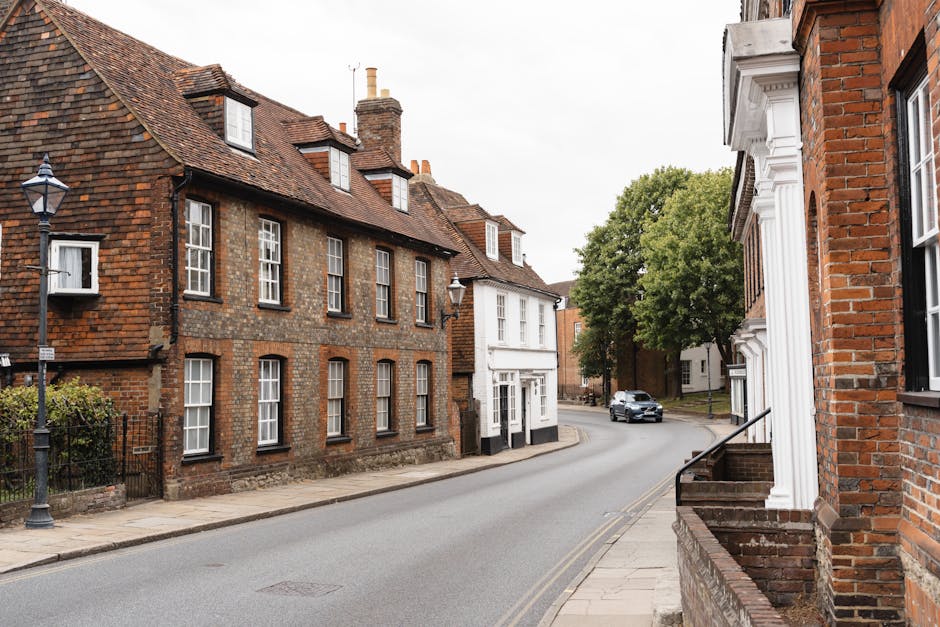
Guildford town centre removals guide for tight access
Moving in Guildford town centre can feel straightforward on paper, then suddenly very not straightforward once you're standing outside a narrow terrace, a flat above shops, or a one-way street with nowhere obvious for the van to sit. That's exactly why a Guildford town centre removals guide for tight access matters. The difference between a smooth move and a stressful one is usually not strength or speed; it's planning, timing, and understanding the quirks of the property and the street outside.
This guide walks you through the practical realities of tight access removals in Guildford: how to prepare, what the moving team needs to know, which service options suit different properties, and how to avoid the little mistakes that turn into big delays. If you're moving a flat, a family home, or a small office, the same principle applies: the less space you have, the more precise the plan needs to be. Simple as that.
If you're also thinking about storage as part of the move, it can help to look at options such as removals and storage or short-term storage before moving day arrives. Sometimes the best move is to split the job into smaller, calmer pieces.
Table of Contents
- Why Guildford town centre removals guide for tight access Matters
- How Guildford town centre removals guide for tight access Works
- Key Benefits and Practical Advantages
- Who This Is For and When It Makes Sense
- Step-by-Step Guidance
- Expert Tips for Better Results
- Common Mistakes to Avoid
- Tools, Resources and Recommendations
- Law, Compliance, Standards, or Best Practice
- Options, Methods, or Comparison Table
- Case Study or Real-World Example
- Practical Checklist
- Conclusion
- Frequently Asked Questions
Why Guildford town centre removals guide for tight access Matters
Town-centre moves are different because the environment is doing half the work against you. In Guildford, tight access might mean a narrow street, limited waiting space, parked cars on both sides, awkward stairs, a lift that is technically there but tiny, or a property where the front door opens straight onto the pavement. You don't need a disaster for things to slow down; a couple of metres can be enough.
That matters for three reasons. First, access affects how long loading takes. Second, it affects what vehicle size is suitable. Third, it changes how much physical handling is needed. If a van can't get close, items must be carried further. That increases time, effort, and the chance of knocks, scuffs, or a very irritable moving day. Nobody wants to be that person wrestling a sofa down a tight staircase at 8 a.m. while a neighbour's bin lid is clattering nearby.
It also matters commercially. Accurate access planning helps you get a more realistic quote, avoid surprise labour time, and reduce the chance of needing a second trip. If you have a mix of furniture and boxes, or you're moving from a flat above a shop, a specialist approach is usually wiser than a generic one. A service like flat removals is often more relevant than a broad, one-size-fits-all arrangement, because flats and town-centre properties tend to have their own little headaches.
Expert summary: tight access removals are not about making the move smaller in importance. They're about making the plan more precise. The better the access information, the smoother the move.
How Guildford town centre removals guide for tight access Works
At a practical level, a tight access move starts long before the van arrives. The process usually follows a simple chain: assess the property, identify access constraints, choose the right vehicle and crew size, prepare the packing and protection, then load in a sequence that suits the space available. The trick is that each stage affects the next one.
For example, if parking is limited near the property, the team may need to work from a smaller vehicle, use a shuttle-style transfer, or schedule the move for a quieter time of day. If stairs are narrow, heavy items may need to be dismantled in advance. If there is no lift, packing choices become more important because awkward, overfilled boxes are a pain to carry. Truth be told, they're a pain even with a lift.
Most good move plans for tight access will include:
- a pre-move discussion about street layout and property access
- a vehicle size that suits the approach route, not just the volume of items
- careful planning around loading bays, parking, and pedestrian flow
- protective packing for furniture edges, glass, and fragile contents
- a clear order for items that come out first and last
If your move involves mixed belongings and you need somewhere temporary to keep items, self storage or mobile self storage can reduce pressure. That can be especially useful when you're between completion dates, or when a town-centre flat just cannot swallow all your furniture in one go.
In our experience, the best tight-access moves are the calm ones. Not rushed, not overpacked, not improvised on the kerb because someone "thought the van would fit".
Key Benefits and Practical Advantages
When handled properly, a tight-access move saves time, stress, and a surprising amount of damage risk. It also makes the day feel more organised, which sounds minor until you're halfway through a move and everyone's concentration starts to wobble.
1. Less chance of avoidable delay
Planning around access issues helps the moving team arrive with the right equipment and the right expectations. That means fewer awkward pauses while people work out where to put the van, how to carry the wardrobe, or whether the sofa actually fits through the hallway. Those pauses add up fast.
2. Better protection for your belongings
Narrow staircases, corner turns, and short entryways all increase the risk of scrapes. Good planning reduces the number of times items need to be turned, lifted, or re-gripped. That alone can make a big difference to furniture condition.
3. More accurate pricing
If access is difficult and that is known upfront, you are more likely to get a quote that reflects the job properly. That's better than a too-cheap estimate that balloons later. If you want to understand how costs and quote structures are usually handled, it is worth looking at pricing and quotes alongside the removal plan.
4. Better fit for the property type
Guildford town centre includes all sorts of homes and premises, from compact rentals to mixed-use buildings. Matching the move type to the property matters. A job involving a few heavier items may suit small removals, while a full household move may need the fuller setup of house removals.
Practical takeaway: with tight access, the goal is not just getting everything out. It is getting everything out safely, on time, and without treating the building like an obstacle course.
Who This Is For and When It Makes Sense
This guide is especially useful if you are moving from or into a property where access is limited, awkward, or unpredictable. That includes a lot of people in town centres, especially where older buildings and modern traffic meet in a fairly unromantic way.
- Flat dwellers: especially top-floor flats, basement flats, and apartments with narrow hallways or lifts that are too small for larger furniture.
- Homeowners in terraces or converted buildings: where stairs, doors, and access routes can be tight.
- Students: if you're moving in or out of shared accommodation and only have a handful of days to get organised.
- Local businesses: offices and studios in central locations where street parking and loading space are limited.
- People with mixed timing: if your keys, completion, or handover date doesn't line up neatly, and you need a flexible plan.
It also makes sense if you're trying to reduce the number of items you move in one go. For example, if your new place is smaller than your current one, a combination of furniture storage and a more compact removal plan can be a very sensible approach. Not glamorous, maybe, but sensible.
If you're moving a business asset or archived paperwork rather than home contents, then office removals or document storage may be more relevant. Different move, same principle: make access work for the load, not the other way around.
Step-by-Step Guidance
Here is a practical way to approach a town-centre move when access is tight. This is the bit that saves people from saying, "We should have thought of that earlier," which is a lovely phrase in theory and a painful one in practice.
- Map the access route. Look at the path from the vehicle to the front door. Count steps, doors, gates, corners, lifts, and turns. If you can't carry a large item around a bend without doing a full pivot, that matters.
- Measure the awkward bits. Door widths, stair widths, ceiling heights, lift dimensions, and any tight landings are worth noting. Even rough measurements are better than none.
- Check parking and loading possibilities. Think about where a van can reasonably stop without blocking everything. If there is only a short loading window, build that into the plan early.
- Decide what should be dismantled. Beds, wardrobes, tables, and bulky shelving often move more easily when broken into safer parts. Don't leave this decision for the morning of the move.
- Sort what stays, what moves, and what goes into storage. A hard yes/no decision is easier to live with than moving six boxes of "maybe later" from one cramped flat to another. If you need a temporary gap, consider short-term storage or long-term storage.
- Pack for carry distance, not just box size. If your belongings need to travel further on foot, keep boxes manageable. A smaller, well-packed box is far kinder than an overfilled one that threatens your grip halfway down the stairs.
- Tell the mover the details early. Photos of the entrance, stairs, parking situation, and any awkward corners can be more useful than a vague description. A minute with your phone can save an hour on the day.
- Prepare the building. Remove mats, clear hallways, prop doors safely where appropriate, and warn neighbours if access might briefly be disrupted.
That last bit is worth doing. A polite heads-up can prevent quite a lot of muttering on the landing.
Expert Tips for Better Results
Some tips are obvious, but they still get missed. Others only become obvious after one difficult move, which is usually the more expensive way to learn.
- Use smaller boxes for dense items. Books, kitchenware, and files get heavy fast. If the box is too large, it becomes awkward before it becomes full.
- Keep your essentials separate. In tight access moves, the day can stretch a little. A clearly marked essentials bag saves you hunting through stacked boxes for chargers, medication, or toiletries.
- Label by room and priority. A simple label system helps the unloading side too, especially when there is nowhere to stack everything neatly at once.
- Protect stair rails and door frames. Temporary protection is often worth it in older properties where the margin for error is tiny.
- Schedule wisely. Mid-morning can sometimes be better than an early start if traffic, school runs, or resident parking make the first hour chaotic. Guildford can feel busy quickly.
- Ask about split-load options. For some properties, a smaller vehicle or multiple transfers can work better than forcing one large van into a hopelessly tight space.
One useful habit: walk the route with the mover, if possible, and point out the annoying little things. The low doorway. The blind corner. The step you always forget is there. The "tiny" details matter more than the glossy plan.
If you are unsure what level of help you need, a flexible option like man and van can be a sensible middle ground for smaller town-centre jobs. It is not about underdoing the service; it is about matching it to the reality of the property.
Common Mistakes to Avoid
The most common mistake is underestimating access and overestimating how much can be done "on the day". That is a classic one. People do it all the time. The van arrives, everyone looks at the staircase, and suddenly the plan feels less like a plan and more like a wish.
- Not checking parking properly. If the van cannot stop where you thought it could, the whole timetable can drift.
- Ignoring stair and doorway measurements. A sofa that fits in the lounge may still refuse to leave the building.
- Overpacking boxes. Heavy boxes slow down every carry and increase the chance of damage.
- Leaving dismantling too late. Trying to undo a bed frame in the middle of loading is a classic move-day headache.
- Forgetting about neighbour access. Shared entrances, bins, scooters, and prams all create friction when the hallway is already narrow.
- Not warning the removal team about awkward items. Things like piano stools, oversized mirrors, garden furniture, or office drawers need early mention.
One of the quieter mistakes is assuming all services are interchangeable. They are not. A town-centre flat move can be very different from a suburban house move, and sometimes household storage is the better bridge between the two. That can take the pressure off if completion dates do not line up neatly, which, let's face it, they often don't.
Tools, Resources and Recommendations
You do not need a van full of specialist equipment to make a tight-access move work, but a few practical tools help more than people expect.
- Measuring tape: for doors, stairs, lifts, and furniture dimensions.
- Phone camera: useful for photographing access routes, parking signs, and awkward corners.
- Labels and marker pens: clear marking helps with both loading order and unloading priorities.
- Furniture blankets and wraps: essential for protecting edges and surfaces in narrow spaces.
- Basic toolkit: helpful for dismantling beds, table legs, shelving, and curtain poles.
- Trolley or sack truck: good on flatter routes, though not always ideal on stairs.
For organised packing, it can also help to use packing services if you simply do not have the time to wrap and box everything properly. That is especially useful if you're working late, juggling kids, or trying to move around a very ordinary British drizzle, which always seems to appear when the sofa comes out.
For business owners moving stock or equipment, business storage and office storage can help you stage the move instead of forcing everything into one day. That often makes town-centre access issues much easier to handle.
Law, Compliance, Standards, or Best Practice
With removals, the main compliance concerns are usually practical rather than highly technical. That said, a professional moving plan should still respect road safety, property access, building rules, and basic duty of care. If a vehicle is parking in a restricted area, loading near pedestrians, or working around shared entrances, the team should behave carefully and in line with local expectations.
Best practice normally includes:
- clear communication about vehicle size and access limitations
- safe manual handling and sensible lifting methods
- protecting property surfaces where items are carried through narrow routes
- avoiding unnecessary obstruction to neighbours, pedestrians, or traffic
- using appropriate insurance and handling processes for valuable items
Insurance matters here because tight access increases the chance of accidental contact with walls, banisters, and door frames. It is sensible to ask how a mover handles cover and safety before booking. A page like insurance and safety is a good place to understand the general expectations around responsible moving.
If you want a sense of the company's working principles beyond the move itself, the health and safety policy and recycling and sustainability pages are also useful reading. That matters more than people think. Safe, tidy, considerate work is usually the sign of a move that has been properly thought through.
Options, Methods, or Comparison Table
Different properties and access conditions call for different approaches. Here is a simple comparison to help you choose the right style of move.
| Method | Best for | Strengths | Limitations |
|---|---|---|---|
| Full removals service | Households or larger flats with many items | Good for heavier loads, more support, less lifting stress | May be more than you need for very small moves |
| Man and van | Smaller moves, flexible town-centre access, mixed loads | Adaptable, usually easier for tight streets and limited parking | Less suited to full-house moves with lots of furniture |
| Removals and storage | When completion dates do not align or space is limited | Reduces pressure, allows phased moving | Requires extra planning around access and timing |
| Small removals | Studios, single rooms, a few key items | Simple, efficient, cost-conscious | Not ideal for heavy or bulky whole-home moves |
To be fair, most real moves sit somewhere between these categories. A person might move from a top-floor flat, put half their furniture into storage, and use a smaller vehicle for the rest. That is normal. It is not messy; it is just realistic.
Case Study or Real-World Example
Here's a realistic example. A renter in a central Guildford flat needed to move out over a weekend. The building had a narrow entrance, a tight internal staircase, and limited outside space because of parked cars and nearby shops. The key issue wasn't the total amount of furniture. It was the access.
Instead of trying to do everything in one push, the move was broken into a practical sequence. First, the largest furniture items were dismantled where possible. Second, fragile items were packed separately and labelled clearly. Third, the less urgent belongings were placed into short-term storage so the flat could be cleared without rushing. Fourth, the removal team used a tighter loading plan and made sure the exit route stayed clear.
That approach did two helpful things. It reduced the time each item spent being carried through the narrowest parts of the property, and it lowered stress for everyone involved. No one was trying to squeeze a wardrobe past a stair bend while someone else was asking where the kettle had gone. Which, honestly, is one of the more common moving-day arguments.
The result was not flashy. It was simply organised, and that is what most town-centre moves need. If the property had been even tighter, a more compact service such as small removals or staged self storage would have made even more sense.
Practical Checklist
Use this checklist before move day. It is basic, but basic is often the thing that saves the day.
- Measure doors, stairs, and any lift you may need to use.
- Photograph the entrance, street, and parking area.
- Confirm where the van can stop safely and legally.
- Tell the mover about steps, narrow corridors, and low ceilings.
- Decide which furniture must be dismantled in advance.
- Pack heavy items into smaller, manageable boxes.
- Label boxes by room and priority.
- Separate essentials for the first night.
- Check whether storage will help ease timing or access pressure.
- Protect floors, corners, and bannisters where necessary.
- Keep hallways and exits clear on the day.
- Confirm insurance and any special handling requirements.
If you are moving with children, a partner, or flatmates, it helps to give everyone one simple task each. Not everyone needs to do everything. In fact, that's how moves become chaotic in the first place.
Conclusion
A Guildford town centre removals guide for tight access is really a guide to reducing friction. Tight access does not have to mean a difficult move, but it does mean the plan has to be sharper. Measure more carefully, pack more sensibly, choose the right type of service, and be honest about the limits of the building and the street outside. That honesty saves time and, frankly, your nerves.
Whether you are moving a flat, a house, or a small business, the same principle applies: match the move to the access, not the other way around. If space is limited, use storage, smaller loads, or a more flexible removal method to keep the day manageable. A calm move is still a good move, even if it takes a little extra thought.
Get a free quote today and see how much you can save.
And if you are still in the planning stage, that is fine. Better to plan it properly now than to improvise while standing in a narrow hallway with a mattress. Nobody needs that kind of excitement.
Frequently Asked Questions
What counts as tight access in a Guildford town centre move?
Tight access usually means the van cannot park right outside, the entrance is narrow, stairways are awkward, or the route from vehicle to property involves multiple obstacles. It can also mean limited loading time, shared entrances, or a building where larger furniture needs dismantling. In town centres, even a couple of parked cars can change the whole plan.
How do I know if my move needs a specialist removals approach?
If you live in a flat, have narrow stairs, limited parking, or bulky furniture that needs careful handling, a more specialist approach is sensible. You do not necessarily need a big team, but you do need a mover who understands access constraints. A quick site discussion or a few photos usually tells the story.
Should I choose a man and van or a full removals service?
It depends on volume, furniture size, and access. A man and van can work well for smaller loads and flexible access, while a fuller removals service is better for larger homes or heavier moves. If in doubt, consider the route first, then the load. That order matters more than people expect.
Can storage help with tight access moves?
Yes, very often. Storage can reduce the amount you need to move in one go and make awkward timing easier to manage. Short-term storage is useful for temporary gaps, while long-term storage suits belongings you do not need immediately.
What information should I give the removals company before the move?
Give them the property type, street access details, parking limitations, stairs or lift information, and any bulky items. Photos are very helpful. If there are height restrictions, narrow gates, or loading restrictions, mention those early rather than leaving them as a surprise on the day.
Is it worth dismantling furniture before a town-centre move?
Usually yes, especially for beds, wardrobes, and large tables. Dismantling can make furniture safer to carry and easier to turn around corners. It is one of those jobs that feels annoying before the move and very wise during it.
How can I protect my property during a tight access move?
Use floor and corner protection where needed, clear the route in advance, and avoid cluttering hallways. The team should also handle items carefully and watch for contact points on stairs and door frames. Older buildings especially benefit from a little extra caution.
What if the van cannot park directly outside?
That is common in town centres. The move may need a shorter walking carry, a smaller vehicle, or a planned loading position nearby. What matters is not perfection at the kerbside; it is a workable plan that keeps items safe and the move moving.
Are packing services worth it for a tight access move?
They often are, because proper packing makes carrying safer and faster. If boxes are well sized and clearly labelled, the whole move becomes easier to manage. You can learn more about this through packing services.
How do office moves work when access is limited?
Office moves usually benefit from staged planning, especially if equipment, files, and furniture all need different handling. Office removals and office storage can be combined to reduce pressure and keep business disruption lower.
What is the biggest mistake people make with tight access removals?
Assuming the day will sort itself out. It rarely does. The most common problems are poor parking planning, overpacked boxes, and not measuring the awkward bits. A little prep goes a long way, and honestly, it saves everyone a headache.
How early should I arrange a removal for a town-centre property?
As early as you reasonably can, especially if you need a preferred time slot or have a complicated access route. Early planning gives you more flexibility with vehicle choice, packing, and storage decisions. It also gives you a bit more breathing room, which is always nice on moving day.
Can I combine removals with storage if my dates do not line up?
Yes, and it is often the cleanest solution. Combining a move with storage gives you breathing space when completion dates or key handovers do not match up. If your move is a bit messy on the calendar, that is normal, not a failure. Just plan the middle bit carefully.
If you want to understand more about the company behind these services, you can also read the about us page, along with the insurance and safety information for extra reassurance.